You Can't Pour from an Empty Cup—And Science Agrees
Have you ever found yourself saying:
"I'm just tired all the time."
"I just need to push through this busy season."
"I'll rest when things slow down."
If so, you're not alone.
For many of us, life feels like one long to-do list. Between work, kids, activities, aging parents, relationships, and the endless demands of daily life, it's easy to put ourselves at the very bottom of the priority list.
Somewhere along the way, we started believing that rest is something we have to earn. That taking time for ourselves is selfish. That productivity is more important than recovery.
But here's the truth:
You cannot pour from an empty cup. And science agrees.
Our bodies were never designed to run on empty. We were created with natural rhythms of activity and recovery, stress and rest, work and restoration. When we ignore those rhythms for too long, our bodies eventually start waving red flags.
Fatigue.
Brain fog.
Poor sleep.
Anxiety.
Irritability.
Feeling overwhelmed.
A lack of motivation.
These aren't signs that you're failing. They're often signs that your body is asking for something it desperately needs: rest.
Why We Glorify Being Busy
Our culture celebrates hustle.
We wear busy schedules like badges of honor.
"How have you been?"
"Oh, busy!"
It's almost become the expected answer.
Many people feel guilty sitting down, taking a nap, reading a book, or spending an hour doing something that doesn't "accomplish" anything.
Yet the truth is that our bodies don't view rest as wasted time.
They view it as essential.
Just like your phone needs to recharge and your car needs fuel, your mind and body need periods of recovery to function properly.
Without that recovery, our physical and mental health begin to suffer.
The Science of Running on Empty
When we're under stress, our bodies activate what's called the sympathetic nervous system, commonly known as the "fight-or-flight" response.
This system is incredibly useful in emergencies. It helps us react quickly, stay alert, and protect ourselves.

The problem?
Many of us are living in this state all day, every day.
E-mails.
Notifications.
Deadlines.
Sports schedules.
Financial stress.
Family responsibilities.
Even exciting things can become sources of chronic stress when we never slow down long enough to recover.
When the stress response stays activated for too long, our bodies can begin producing higher levels of stress hormones like cortisol and adrenaline.
Over time, this can impact:
Sleep quality
Energy levels
Mood
Digestion
Concentration
Memory
Immune function
Blood sugar regulation
Inflammation levels
In other words, our bodies start struggling because they never get the opportunity to truly rest and repair.
The Hidden Signs of an Empty Cup
Many people assume burnout means complete exhaustion or the inability to get out of bed.
In reality, burnout often looks much different.
It can look like:
Feeling tired no matter how much you sleep
Snapping at your spouse or children
Forgetting simple things
Losing motivation for activities you once enjoyed
Feeling emotionally numb
Constantly craving caffeine or sugar
Difficulty concentrating
Feeling anxious or overwhelmed
Having trouble relaxing even when you have time to rest
Sometimes the biggest sign of burnout is simply:
You can't remember the last time you felt truly rested.
Why Rest Is Not Lazy
Rest is not a reward.
Rest is a biological need.
Think about professional athletes.
They don't train at maximum intensity every single day.
Recovery days are built into their schedules because they understand something important:
Growth happens during recovery.
The same principle applies to the rest of us.
Our bodies recover during moments of rest.
Our minds process emotions during moments of stillness.
Our nervous systems reset during periods of calm.
When we never allow ourselves to slow down, we're asking our bodies to function without the resources they need.
The Nervous System Matters More Than You Think
At MY Wellness Center, we talk a lot about supporting the nervous system because it influences nearly every aspect of our health.
The nervous system acts like the body's communication network.
When it's overwhelmed or constantly stuck in a state of stress, we often feel:
Tense
Exhausted
Anxious
Irritable
Restless
Unable to fully relax
When we create opportunities for our bodies to slow down and enter a more relaxed state, we often notice improvements in:
Sleep
Mental clarity
Mood
Energy
Stress resilience
Overall well-being
The goal isn't to eliminate stress completely.
The goal is to create enough moments of recovery that our bodies can better handle life's inevitable demands.
What Does True Rest Actually Look Like?
Many people think rest means zoning out in front of the television or scrolling on their phones.
While those activities can feel relaxing, they don't always allow our minds and bodies to fully recharge.
Intentional rest looks different.
It may include:
Physical Rest
Going to bed earlier
Taking a nap
Stretching
Spending quiet time in a comfortable environment
Mental Rest
Taking breaks from screens
Reading a book
Journaling
Practicing mindfulness
Emotional Rest
Setting boundaries
Saying no when necessary
Spending time with supportive people
Giving yourself permission to slow down
Sensory Rest
Turning down the noise
Stepping away from notifications
Sitting in a peaceful environment
Allowing your nervous system to decompress
Sometimes the most productive thing you can do is absolutely nothing.
Small Ways to Refill Your Cup
The good news is that restoring your energy doesn't require a week-long vacation.
Small, intentional moments of rest can make a significant difference.
Try incorporating some of these habits:
Start your morning slowly.
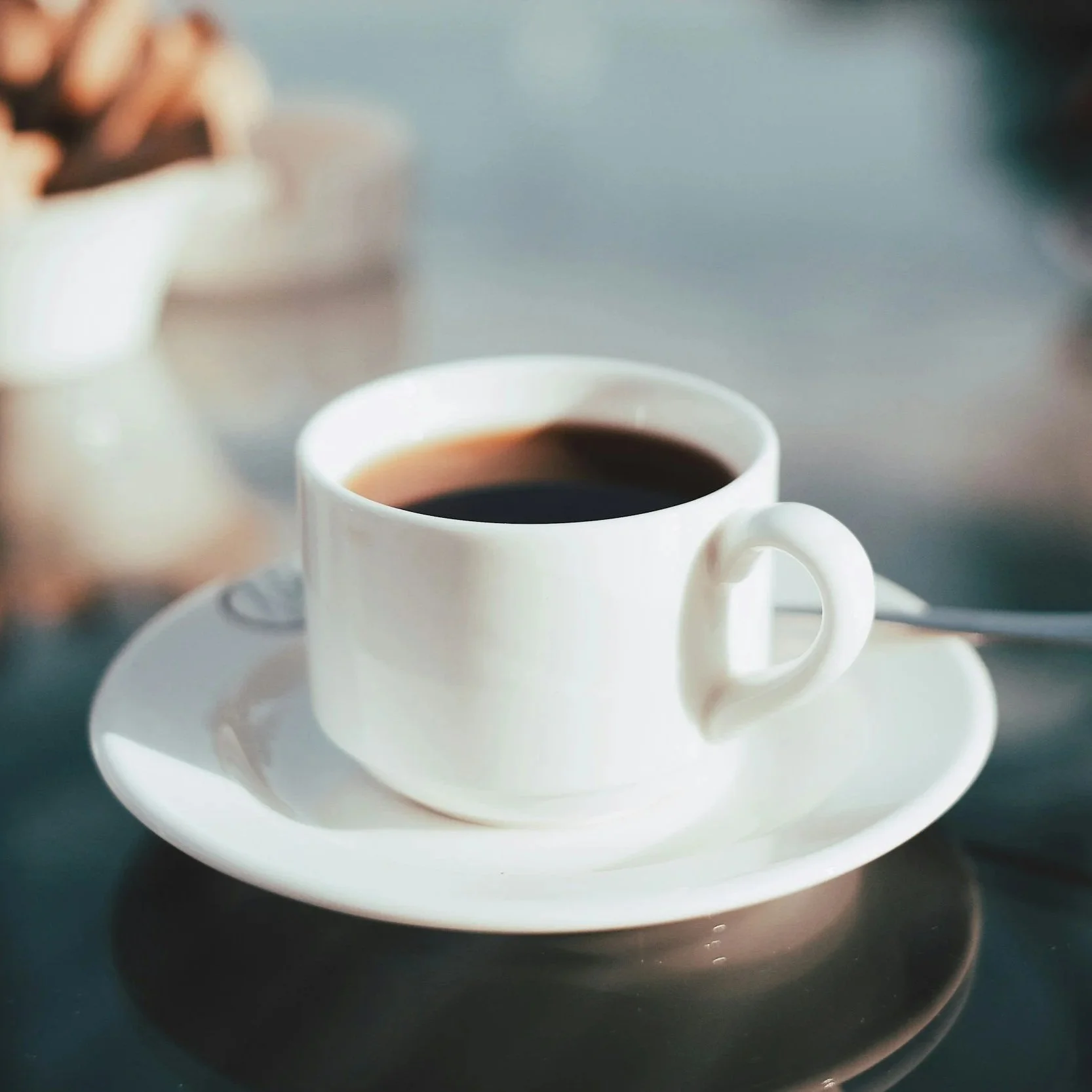
Spend five minutes drinking your coffee without looking at your phone.
Take a short walk.
Even ten minutes outside can help reset your mind.
Practice deep breathing.
A few slow breaths can help signal safety to your nervous system.
Prioritize sleep.
Aim for consistent bedtimes whenever possible.
Schedule rest.
If it's not on the calendar, it often doesn't happen.
Create moments of stillness.
Sit quietly, listen to calming music, or simply be present.
Creating Intentional Space for Rest
One of the biggest challenges of modern life is that even when we have time to rest, we often don't actually rest.
We sit down and scroll our phones. We answer emails. We think about our to-do list. We fold laundry while watching television. Our minds rarely get the opportunity to fully slow down. That's why creating intentional spaces for rest can be so powerful.
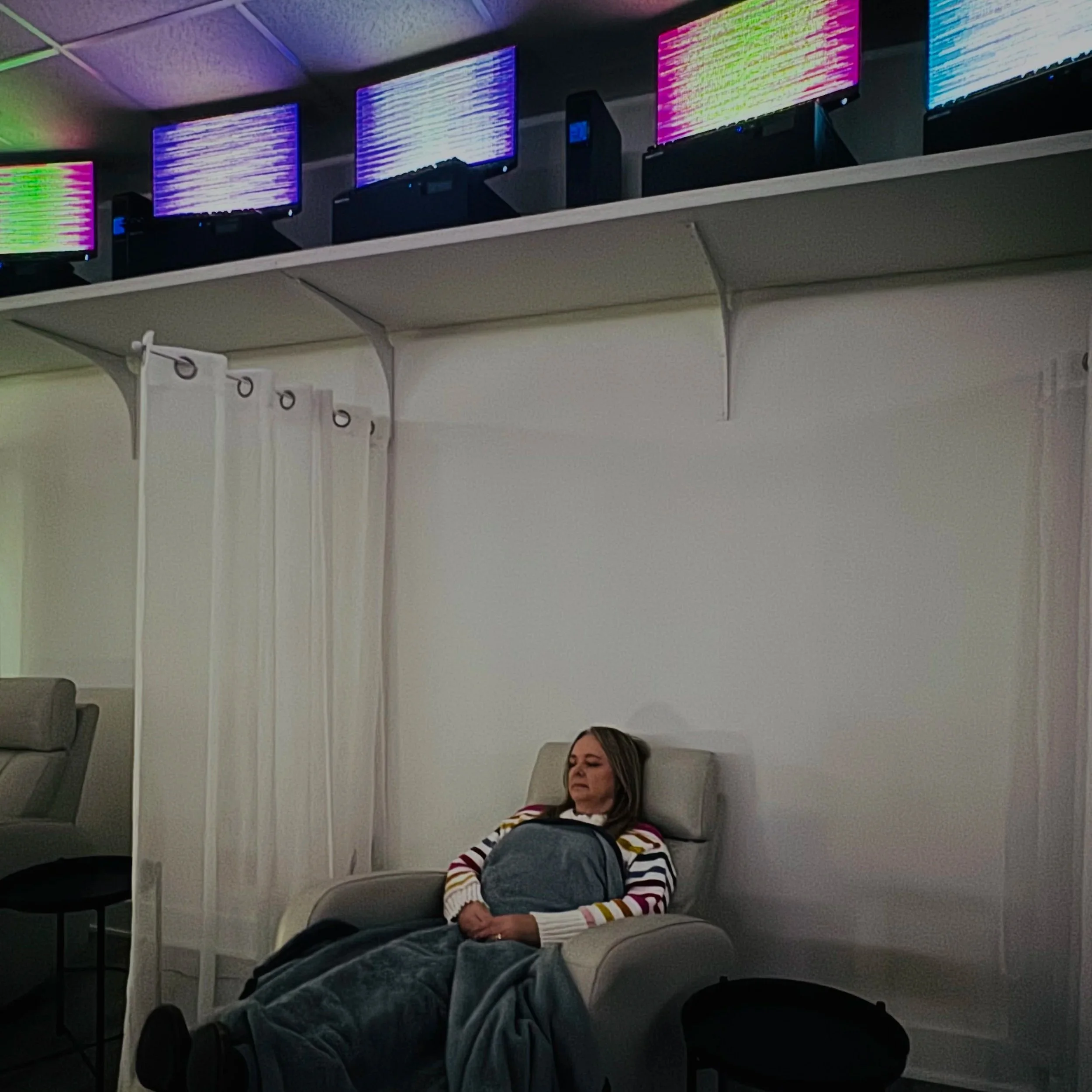
At MY Wellness Center, our mission is simple: to provide a peaceful, restorative environment where people can step away from the noise of everyday life and simply allow themselves to rest.
Our Energy Spa offers a quiet, calming environment where guests can:
Unplug from technology and daily responsibilities
Rest in a comfortable reclining chair
Practice meditation, breathwork, or mindfulness
Listen to music, nap, or simply sit in stillness
Give their minds and bodies dedicated time to recharge
Many of our guests tell us they haven't taken an hour completely for themselves in years.
After a session, we often hear things like:
"I haven't felt this relaxed in a long time."
"My mind finally slowed down."
"I slept so well afterward."
"I didn't realize how badly I needed this."
While every person's experience is different, giving yourself permission to pause—even for one hour—can have a profound impact on your overall sense of well-being.
Our bodies and nervous systems need moments of recovery just as much as they need movement, nutrition, and exercise.
Sometimes, the most healing thing we can do is simply stop, breathe, and rest.
At MY Wellness Center, we believe that rest isn't a luxury—it's a vital part of caring for your mind, body, and spirit.
You cannot continue pouring into everyone else if your own cup is empty.
So let this be your reminder:
Rest is not a luxury.
Rest is not lazy.
Rest is not something you have to earn.
Rest is essential.
And you deserve it.