The Importance of Recovery for Student Athletes: Why Rest Is the Missing Piece of Performance
As parents, coaches, and athletes gear up for another school year, the focus naturally shifts to practices, games, strength training, and competition. Student athletes dedicate countless hours to improving their skills, pushing their limits, and striving to perform at their best. But there is one crucial aspect of athletic success that often gets overlooked:
Recovery.

The truth is, athletes don't become stronger during practice—they become stronger during recovery. Training challenges the body. Recovery is what allows it to adapt, repair, and come back even stronger.
At MY Wellness Center, we believe recovery deserves just as much attention as workouts, practices, and game days. Whether your child plays football, volleyball, soccer, cross country, softball, wrestling, basketball, baseball, dance, or any other sport, building recovery into their routine can help support overall wellness, resilience, and long-term performance.
Performance Starts with Recovery
Many young athletes—and even adults—believe that more is always better. More practice. More lifting. More conditioning.
While dedication is important, constantly pushing without allowing the body adequate time to recover can leave athletes feeling physically and mentally drained.
Recovery gives the body the opportunity to:
Repair muscles after exercise
Restore energy stores
Support healthy sleep patterns
Promote relaxation after periods of stress
Help athletes feel refreshed for their next practice or competition
Support focus and concentration
Think of recovery as charging your phone. You wouldn't expect your phone to function all day if you never plugged it in. Your body works the same way.
Today's Student Athletes Are Busier Than Ever
Sports have changed dramatically over the last decade.
Many students participate in:

School sports
Club teams
Strength and conditioning programs
Camps and showcases
Private lessons
Speed and agility training
On top of that, they still have:
Homework
Early mornings
Part-time jobs
Family responsibilities
Social commitments
That's a lot for a growing body and developing nervous system.
While being active offers countless benefits, it's equally important to create intentional moments of rest so the body has time to recover from the demands of everyday life.
Recovery Is More Than Resting Your Muscles
When most people hear the word "recovery," they immediately think about sore muscles.
But recovery involves much more than physical healing.
Student athletes are constantly using:
Their muscles
Their brains
Their nervous system
Their emotional resilience
Their mental focus
A challenging week of school combined with practices, games, travel, and homework can leave athletes mentally exhausted—even if they don't realize it.
Creating opportunities to unplug, slow down, and relax can help support overall well-being and prepare athletes for the demands of another busy day.
The Role of Sleep in Athletic Performance
If there were one recovery tool every athlete should prioritize, it would be sleep.
During quality sleep, the body works to:
Repair tissues
Support muscle recovery
Consolidate learning and motor skills
Restore energy
Promote healthy immune function
Unfortunately, many student athletes struggle to get enough sleep because of:
Late practices
Homework
Screen time
Early school mornings
Weekend tournaments
Developing healthy sleep habits is one of the simplest ways to support athletic performance and overall wellness.
Hydration Matters More Than You Think
Hydration isn't just about drinking water during practice.
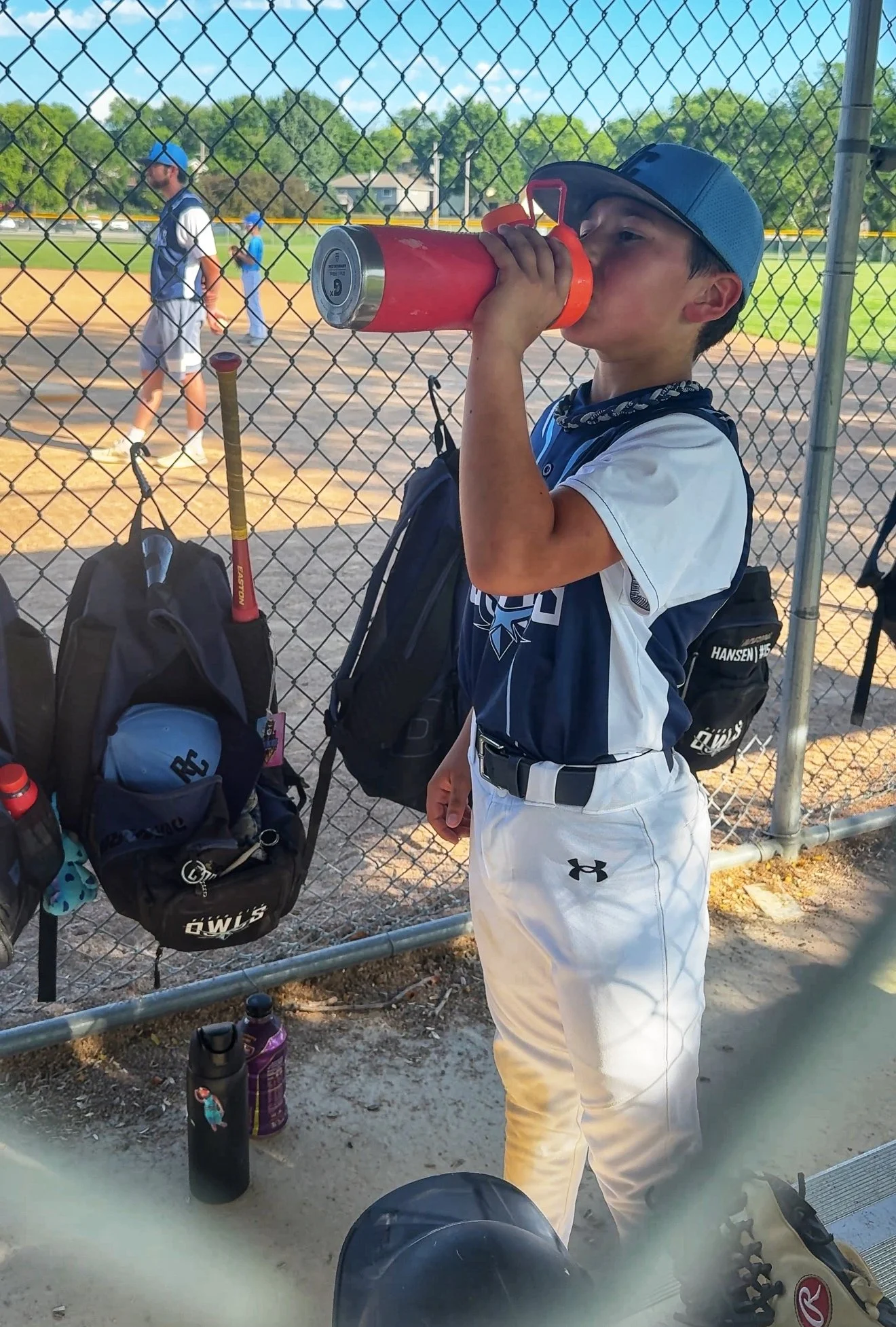
Electrolytes play an important role in helping maintain fluid balance, especially during the hot summer months and fall sports season.
Proper hydration supports:
Normal muscle function
Physical endurance
Focus and concentration
Recovery after activity
Many athletes lose significant amounts of sodium and other electrolytes through sweat. Replenishing those electrolytes after workouts and games can be an important part of a healthy recovery routine.
At MY Wellness Center, we carry LMNT electrolytes, one of our favorite options for athletes looking to support hydration without unnecessary sugars or artificial ingredients.
Mental Recovery Is Just as Important
Athletes face pressures that extend far beyond the playing field.
They may be balancing:
Performance expectations
School responsibilities
College aspirations
Team dynamics
Social pressures
These mental demands can sometimes feel just as exhausting as physical training.
That's why creating time to simply relax can be incredibly valuable.
Whether it's reading a book, practicing deep breathing, listening to calming music, or spending quiet time away from screens, giving the mind a chance to slow down is an important part of a well-rounded wellness routine.
What Is the Nervous System's Role in Recovery?
One of the most overlooked aspects of recovery is the nervous system.
The nervous system helps regulate countless functions throughout the body, including how we respond to stress.
Busy schedules, intense competition, school demands, and everyday responsibilities can all contribute to feeling constantly "on."
Building moments of relaxation into the week can help encourage a shift toward a calmer state, allowing the body to focus on rest and recovery.
Many athletes are surprised by how refreshed they feel after intentionally setting aside uninterrupted time to relax.
How MY Wellness Center Supports Student Athletes
At MY Wellness Center, we offer a peaceful environment where athletes can step away from the noise of everyday life and simply rest.
Our Energy Spa provides a calm, comfortable space where guests can relax, meditate, nap, or simply enjoy quiet time.
Many student athletes enjoy visiting:

After tournaments
Following intense practices
During busy school weeks
Before major competitions
On recovery days
Parents often tell us they appreciate giving their athlete an opportunity to slow down in today's fast-paced world.
While every person's experience is unique, many guests report leaving sessions feeling deeply relaxed, refreshed, and ready to take on the rest of their day.
Recovery Doesn't Have to Be Complicated
You don't need expensive equipment or an elaborate routine to recover well.
Some of the most effective recovery habits are surprisingly simple:
Prioritize quality sleep.
Stay hydrated throughout the day.
Eat nourishing meals.
Stretch after activity.
Schedule recovery days.
Limit screen time before bed.
Practice deep breathing.
Spend time outdoors.
Make relaxation part of your weekly routine.
Consistency is far more important than perfection.
Small habits repeated week after week often make the biggest difference over the course of a season.
Parents Play an Important Role
Young athletes often want to keep pushing.
As parents, it can be helpful to remind them that recovery isn't a sign of weakness—it's part of becoming a stronger, healthier athlete.
Some simple ways families can encourage recovery include:
Planning one lighter evening each week.
Encouraging consistent bedtime routines.
Keeping healthy snacks and hydration readily available.
Talking openly about stress and mental wellness.
Making recovery part of the family's overall lifestyle.
By modeling healthy habits ourselves, we help our children understand that taking care of their bodies is just as important as achieving their goals.
Recovery Supports Long-Term Success
The goal isn't simply to get through one season.
It's to help young athletes develop habits that support them throughout high school, college, and adulthood.
Learning how to care for both the body and mind teaches valuable life skills that extend far beyond sports.
Athletes who understand the importance of rest often learn to:
Listen to their bodies.
Develop healthier routines.
Better manage stress.
Create sustainable habits.
Appreciate the value of balance.
These lessons can benefit them for years to come.
Make Recovery Part of the Game Plan
Every practice, every workout, and every competition asks something of the body.
Recovery is how we give something back.
Whether your athlete is just beginning their first season or competing at a high level, building intentional recovery into their routine can help support overall wellness, healthy performance, and long-term resilience.
At MY Wellness Center, we're honored to be a place where student athletes—and their parents—can slow down, recharge, and prioritize wellness together. Our peaceful Energy Spa offers a unique opportunity to step away from the constant pace of school and sports and simply rest.
This season, don't just plan practices and game days.
Plan recovery, too.
Because strong athletes don't just train hard—they recover well.