Why Healing Is Never Just One Thing
Guest Blog Post By Pamela Mueri
If you’ve spent time in the frequency room, attended a sound bath, practiced yoga, changed your diet, taken supplements, or worked with functional and holistic practitioners, you already understand something important: our health is rarely influenced by just one thing.
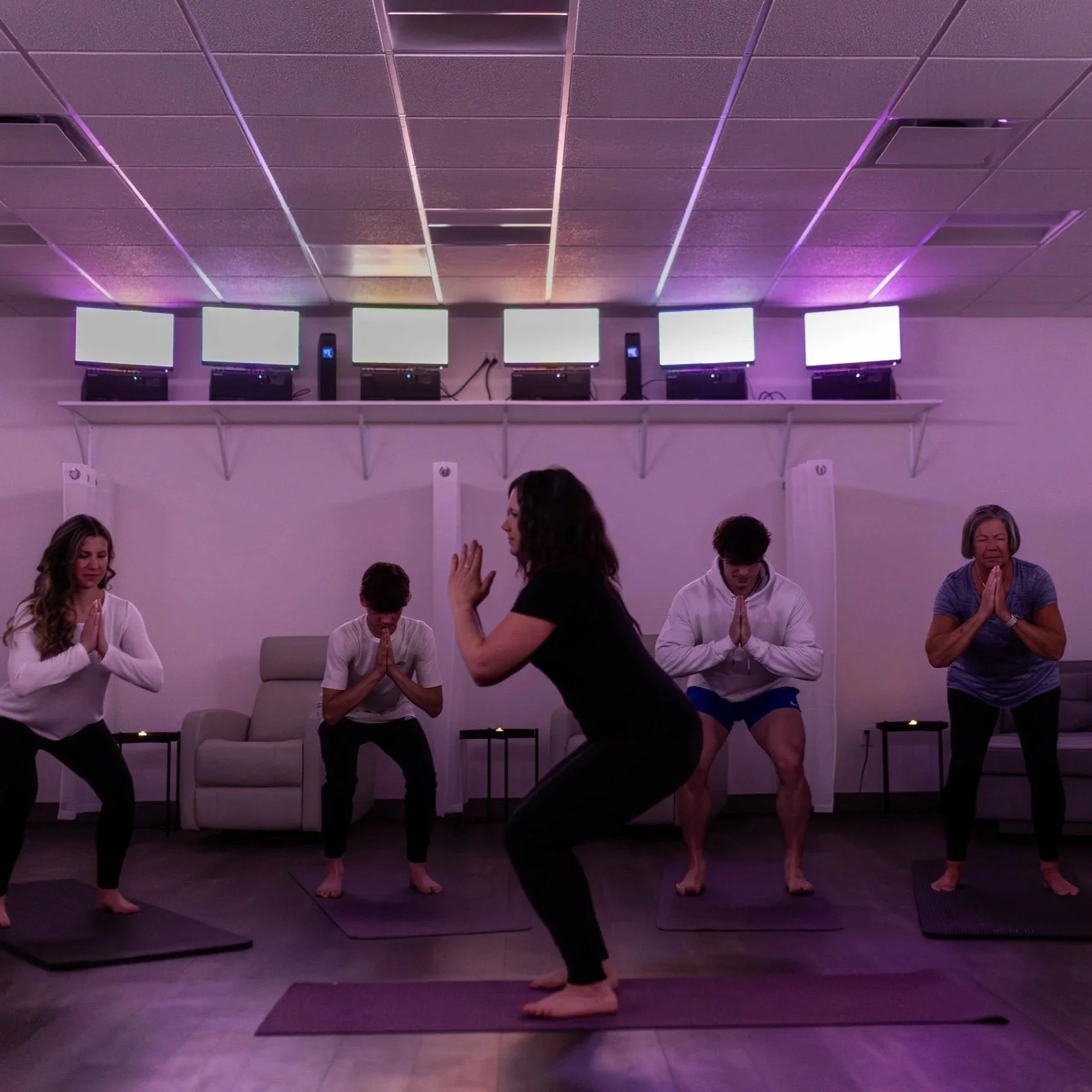
We often spend a great deal of time addressing the physical pieces of our health and those pieces matter. But there is another part of whole-person wellness that is easy to overlook, how the effect that prolonged stress, difficult life experiences, and unprocessed emotions can have on how we feel physically and mentally.
My dad died when I was 27. Within weeks, my body began experiencing anxiety in ways I had never experienced before. My heart would race. My chest felt tight. I could be completely exhausted and still struggle to sleep.
At the time, I thought something was wrong with me. What I understand now is that grief wasn't happening only in my thoughts. My entire body was responding to what I had just experienced.
Like many of us though, I kept going. Over the years, through additional loss, divorce, motherhood, health challenges, and major life transitions, I began to understand something that ultimately changed my own life, that our physical health, emotional health, and life experiences are constantly influencing one another.
What Chronic Stress Can Look Like in the Body
You may hear people talk about “the nervous system,” but it doesn't need to be complicated. Think of it as your body's built-in protection system. Your brain is constantly taking in information and determining whether you can relax or whether you need to stay alert and ready to respond.

During a stressful season, that response is useful. The problem is when the stressful season lasts for months or years.
Divorce. Loss. Caring for an aging parent. Raising a child with significant needs. Financial pressure. A frightening diagnosis. A difficult childhood. Years of putting everyone else's needs ahead of your own.
Over time, chronic stress can influence sleep, digestion, muscle tension, concentration, mood, energy, and the way our brains process pain. You might notice headaches, jaw clenching, tight shoulders, digestive changes, brain fog, difficulty sleeping, fatigue, anxiety, irritability, or simply feeling unable to fully relax.
That does not mean every physical symptom is caused by stress, nor does it mean symptoms are “all in your head.” Medical concerns deserve appropriate medical care. Emotional wellness is another piece of the larger health picture, not a replacement for medical treatment.
Why We Often Avoid This Part of Healing
This is where the work becomes especially interesting.
Many of us know exactly what supplements to take, what foods to eat, or what appointment to schedule. But ask us to sit quietly with grief, anger, fear, resentment, or disappointment, and suddenly we want to do almost anything else.
There is a reason for that. Your brain is designed to protect you from pain. If something was overwhelming at the time it happened, you may have learned to cope by staying busy, taking care of everyone else, minimizing what happened, pushing emotions aside, or becoming the person who was always “fine.”
Those patterns may have been incredibly helpful at one point in your life. The challenge is that avoidance provides immediate relief, which teaches the brain to keep doing it. You begin to feel sadness, so you pick up your phone. Anger appears, so you tell yourself you shouldn't feel that way. You finally have a quiet afternoon and immediately find something productive to do.
Each time avoiding the emotion makes the discomfort disappear, your brain gets another message: Feeling this isn't safe. That is why emotional work isn't about forcing yourself to relive painful memories or opening everything up at once. It is about gradually learning:
I can feel sadness without being consumed by it.
I can acknowledge anger without acting on it.
I can remember something painful while knowing I am safe today.
I can notice discomfort in my body without immediately becoming afraid of it.
Over time, repeated experiences like these can help us develop different responses to stress, memories, emotions, and physical sensations.
Sometimes the Body Needs More Than Another Protocol
Many of the clients I work with have already done an extraordinary amount for their health. They've changed their diets, worked on their hormones and gut health, exercised, gone to therapy, tried supplements, and worked with excellent practitioners. And yet they still don't feel like themselves. At that point, I often invite them to ask a different question. Instead of only asking, “What else do I need to do to fix my body?”We begin asking, “What have I been carrying?”
Maybe it's grief you never had time to feel. Anger you didn't believe you were allowed to have. Years of people-pleasing. Fear surrounding your health. A belief that you always have to hold everything together. Or simply the exhaustion of caring for everyone else while continually placing yourself last. Acknowledging those experiences doesn't magically cure illness or eliminate pain. But learning to recognize stress, understand your patterns, process difficult emotions, create boundaries, rest, and respond differently can become an important part of supporting your overall well-being.
Bringing the Whole Person Into Healing
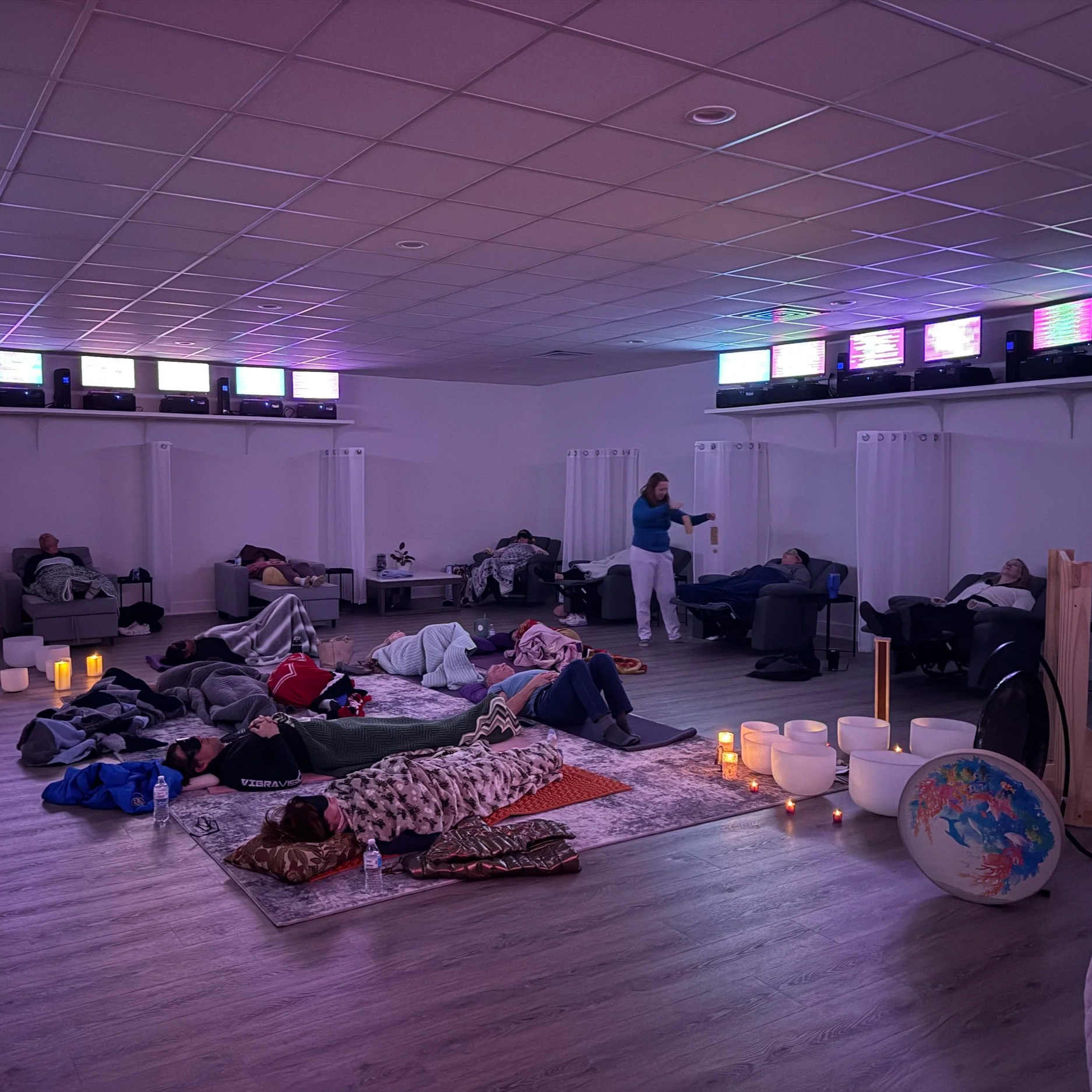
This is one reason I appreciate spaces like MY Wellness Center. Whether you're lying in the frequency room, participating in a sound bath, or practicing yoga, you're intentionally creating something many of us don't get enough of: space to slow down.
And that space can become an opportunity to listen. The next time you finish a session, give yourself one minute before reaching for your phone. Notice your breathing. Notice your shoulders and jaw. Ask yourself, What am I feeling right now? What has been weighing on me lately? What might I need?
You can also try five minutes of unedited journaling beginning with:
“If I were completely honest, I would say…”
Don't make it positive. Don't make it grateful. Don't make it appropriate for anyone else to read. Simply allow yourself to acknowledge what is there. Sometimes the beginning of change is not another thing to do, it is finally giving yourself permission to notice what you've been carrying.
Healing Is Rarely One Thing
Whole-person wellness can include nutrition, movement, medical care, sleep, relationships, emotional health, spiritual well-being, community, and practices that help us slow down and reconnect with ourselves. You don't have to choose one approach over another. And if you've tried many things and still feel stuck, that doesn't mean you've failed. It may simply be an invitation to become curious about another part of your health, the part that includes what you've lived through, what you've learned to carry, and how your mind and body have adapted along the way. Sometimes healing isn't about trying harder. Sometimes it's about finally creating enough space to listen and slow down a bit.
About Pamela

Pamela Mueri is a Certified Wellness Practitioner and founder of Efflorescence Consulting & Coaching. Through her Regulation & Resilience Method, she helps women and men understand how prolonged stress, emotional patterns, and past experiences may be affecting how they feel and respond today. Her work combines education, emotional processing, body awareness, and practical tools to help clients build greater resilience and support their overall well-being.
Follow Pamela on Instagram @pamelamueri for practical education, tools, and real-life conversations about stress and emotional wellness, or subscribe to her Substack at (6) Pamela Mueri's Substack | Substack for deeper writing on whole-person health and healing.